


Penang Green bitter gourd
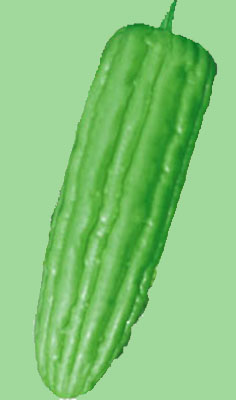
Description of the variety
Penang bitter gourd (Momordica charantia, cultivar 檳城) is a vigorous vine that produces uniform, cylindrical fruits with prominent ridges and a glossy green skin. The flesh is pale, juicy, and slightly less bitter than other varieties, making it more palatable for a wider range of dishes. The plant features deeply lobed leaves and pale yellow flowers, with male and female blooms on the same vine. Native to tropical Asia, this cultivar is especially popular in Malaysia and southern China for its reliable yield, disease resistance, and culinary versatility. Rich in vitamin C, potassium, and antioxidants, it’s often used in traditional remedies to support digestion and blood sugar regulation.
Planting Guidelines
It can be grown in Spring, Summer and Autumn seasons. The most suitable season is Summer and Autumn seasons.
Maturity for Spring sowing is 70 - 90 days. Maturity for Summer season sowing is 50 - 70 days.
It can stand well in good fertilized soil and likes the moist soil but too wet soil is not good.
Growing bitter gourd with deep soil with good fertility and good appropriate soil moisture.
Soak seeds overnight to improve germination.
Sow directly into fertile, well-drained soil once temperatures exceed 20°C.
Choose a sunny location and install strong trellises or vertical supports.
Plant seeds 2–3 cm deep, spaced 60–90 cm apart.
Keep soil moist during germination (7–14 days) and early growth.
Apply compost before planting and feed with balanced fertilizer every 3–4 weeks.
Train vines early and prune excess side shoots to promote fruiting.
Manual pollination during flowering can improve fruit set.
Monitor for pests like aphids and fruit flies; use organic controls if needed.
Additional Remarks
Penang bitter gourd is a hardy and productive cultivar that performs well in warm climates. Harvest fruits while they are still green and firm for best flavor and texture. Regular picking encourages continuous production, and vertical training improves fruit shape and air circulation. Its balanced bitterness and high yield make it a favorite among home gardeners and market growers alike.
Diseases Information
Planting Timetable
| MONTH | JAN | FEB | MAR | APR | MAY | JUN | JUL | AUG | SEP | OCT | NOV | DEC |
| SOWING | ||||||||||||
| TRANSPLANTING | ||||||||||||
| HARVEST |
The above schedule is based on the Sydney lowland area